When people hear the phrase “massage mit happy end,” their reactions vary—from curiosity and confusion to humor or discomfort. But beyond the stereotype and the jokes lies a complex topic worth unpacking. What does this phrase actually refer to? Why is it surrounded by so much mystery, taboo and misconception? And how does it intersect with wellness culture, bodywork practices, legality and boundaries?
This article breaks the topic open in a conversational, accessible way and gives readers a well-rounded understanding without sensationalism or explicit detail. Think of it like switching on a light in a dim room: once everything becomes visible, it’s much easier to understand what’s really going on.
What Does the Term Actually Mean?
At its core, the phrase is often used colloquially to describe a type of massage that includes intimate or erotic elements. It falls entirely outside the realm of legitimate wellness work and has no connection to the ethics or standards upheld by certified massage professionals. Instead, it sits at the intersection of adult entertainment, personal choice and underground culture.
Because the term is frequently misunderstood, people might lump all massage services together—which creates confusion for both clients and legitimate practitioners.
How Media and Pop Culture Shape Perceptions
Bold: Stereotypes That Stick
Films, memes and stories shared between friends often portray this type of massage in a comedic or exaggerated way. These portrayals create a simplified narrative, similar to a caricature—recognizable, but far from realistic.
Bold: The Problem With Oversimplification
By reducing a broad and nuanced subject to a punchline, society blurs the line between legitimate bodywork and adult-oriented services. This makes it harder for people to differentiate between therapeutic spaces and services that operate in the adult entertainment sphere.
The Difference Between Therapeutic and Non-Therapeutic Massage
Bold: Licensed Massage Therapy
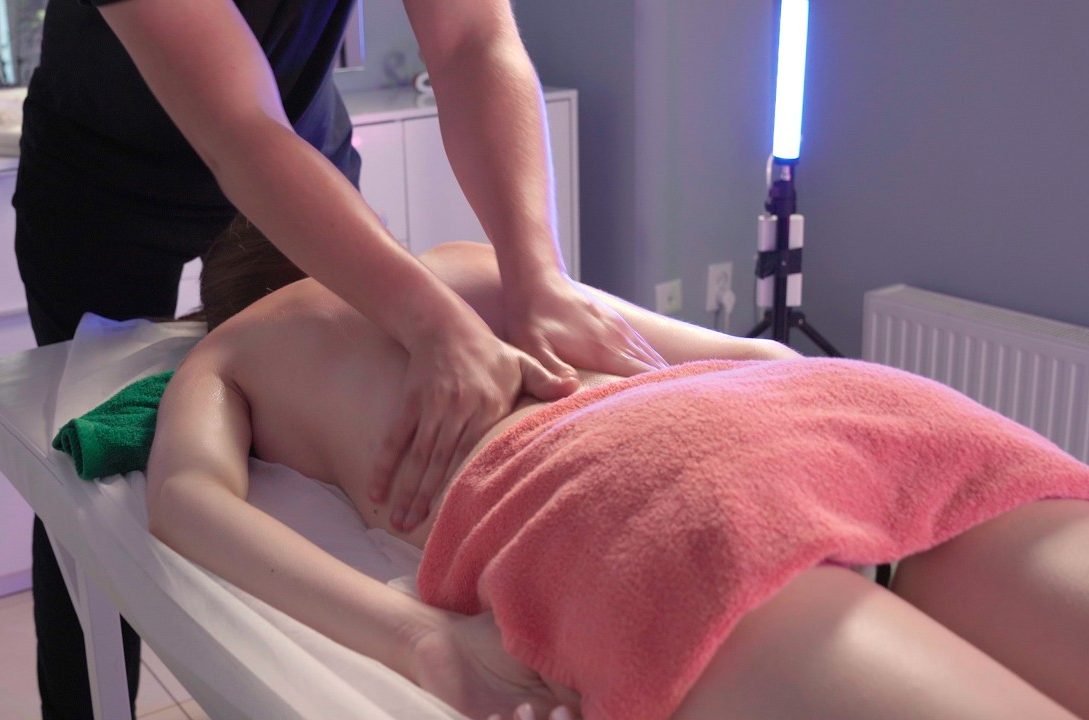
“Legitimate massage therapy is grounded in anatomical knowledge, therapeutic science, ethical principles, and firmly defined professional boundaries. Practitioners are trained to support clients’ physical health—improving muscle tension, circulation, posture and relaxation.
Bold: Adult-Oriented Services
Services that incorporate sensual elements fall into an entirely different category. They are not part of medical or wellness practices, even if they use the word “massage” to describe what they offer.
Bold: Why the Distinction Matters
Imagine going to a bakery and discovering they also sell electrical tools. Confusing, right? The same applies here: using one label for two vastly different activities leads to misunderstandings and misplaced expectations.
Cultural Context and Global Variations
Massage mit Happy End
Different regions view this subject through entirely different cultural lenses. In some places, it’s openly discussed; in others, it’s heavily stigmatized or kept out of sight.
Bold: Europe
Across many European countries, the term is broadly familiar and often pops up in lifestyle conversations, playful humor, or the broader nightlife scene
Bold: Asia
In certain areas, bodywork traditions are deep-rooted, and the boundary between relaxation services and adult entertainment can vary by region, regulation and cultural norms.
Bold: Western Countries
In the U.S., Canada and the UK, professional massage regulations are strict, and any blurring of lines is strongly discouraged by industry bodies.
Why People Seek Such Services—A Psychological Perspective
People’s motivations can be varied and personal, but common themes include:
-
Curiosity
-
Desire for intimacy or connection
-
Stress relief
-
Exploration of fantasy or novelty
This doesn’t justify or normalize the practice—rather, it helps people understand that human behavior is complex. When we ignore the motivations, it becomes harder to have honest conversations about human needs and choices.
Consent, Boundaries and Ethics
Bold: Consent Is Essential
No matter the situation, clear and willing consent is the essential starting point for any form of physical interaction. In licensed massage therapy, boundaries are strict and clearly outlined. In adult contexts, consensual agreement is also non-negotiable.
Bold: Power Dynamics
Touch-based services can involve emotional vulnerability. That makes clarity and trust essential, no matter the environment.
Legal Considerations—What’s Allowed and What’s Not
Bold: Regulations Differ by Country
Some countries regulate adult services; others prohibit them; many fall somewhere in between with grey areas involving local regulations or enforcement differences.
Bold: Licensed Massage vs. Adult Services
It’s illegal in many regions to mix professional massage therapy with adult entertainment. Businesses must operate under separate categories to remain compliant.
Bold: Consequences of Blurred Lines
Misrepresenting a service can lead to:
-
Fines
-
License suspension
-
Criminal charges
-
Safety risks
-
Consumer confusion
The Impact on the Wellness Industry
Massage mit Happy End
Many trained massage professionals voice frustration when their evidence-based, therapeutic work is mistakenly linked to adult-oriented services. The confusion creates stigma that unfairly affects an entire field.
Bold: Protecting Professional Identity
Massage therapists advocate strongly for public education to reinforce the difference between therapeutic care and unrelated adult activities.
Bold: The Importance of Clarity
Just as consumers deserve transparent information, practitioners deserve respect for their expertise and adherence to ethical standards.
Human Touch and Why It Matters
Human touch is one of the earliest and most instinctive ways we’ve learned to communicate. Even non-intimate physical contact—like a comforting hand on a shoulder—can lower stress, improve mood and boost a sense of connection.
Bold: Not All Touch Is the Same
Professional bodywork focuses on healing and wellness. Intimate or personal touch carries an emotional element and is shaped by feelings, attraction, or desire
Keeping these categories separate ensures people can access the support they need without confusion or risk.
Staying Safe When Seeking Well-Being Services
Even outside the adult context, consumers should be mindful when booking bodywork sessions.
Tips include:
-
Research providers
-
Check licenses
-
Read reviews
-
Ask questions before booking
-
Look for professional associations
A safe environment is one where expectations are clear and boundaries are respected.
Why Open Conversation Helps Remove Stigma

Massage mit Happy End
Talking about sensitive topics doesn’t normalize inappropriate behavior—it normalizes understanding. When people feel free to ask questions without embarrassment, they gain clarity, sidestep confusion, and help promote responsible, ethical behavior.
Think of sunlight again: when a topic stays hidden, misunderstandings multiply; when you shine light on it, clarity emerges.
FAQs
1. Is a “massage mit happy end” the same as a professional massage?
No. Professional massage therapy focuses on health, rehabilitation and wellness. The phrase refers to something entirely different and unrelated.
2. Why do some people confuse therapeutic massage with adult services?
Media stereotypes, misleading advertising and cultural portrayals often blur the distinction, even though the two are separate in purpose and practice.
3. Are such services legal everywhere?
No. Legality varies significantly by country and region. In many places, combining adult services with licensed massage therapy is prohibited.
4. How can someone ensure they’re booking a legitimate massage therapist?
Check credentials, licenses, reviews and membership in professional organizations. Clear communication before booking also helps.
5. Why is it important to discuss topics like this openly?
Conversations promote understanding, reduce stigma, and help people differentiate between legitimate wellness services and unrelated adult activities.
Conclusion
The phrase “massage mit happy end” may be wrapped in humor, curiosity or taboo, but beneath the surface lies a topic filled with cultural nuance, ethical considerations, and important distinctions. Understanding the difference between therapeutic massage and adult services helps protect both consumers and professionals. By talking openly about boundaries, consent, legality and wellness, we create a more informed and respectful society.