
Introduction
When was the last time you thought about the humble zipper? Probably never—until it gets stuck, breaks, or saves your day by keeping your jacket closed in freezing weather. This tiny invention plays an enormous role in our everyday lives, yet it rarely gets the spotlight. In a way, the zipper is like a quiet backstage crew member in a theater production—without it, the entire show falls apart.
In this guide, we’ll explore everything about this simple yet ingenious fastener: its origins, how it works, different types, and why it remains so essential. Let’s zip right into it.
What Exactly Is a Zipper?
A zipper is a fastening device used to join two pieces of fabric or material. It consists of interlocking teeth (or coils) that slide together using a pull tab. Simple, right? Yet it’s an ingenious solution that has stood the test of time.
Why Zippers Matter
They’re everywhere—on clothes, bags, tents, shoes, and even furniture. They hold things together reliably while allowing quick and convenient access.
The Fascinating History of the Zipper
The journey of the zipper traces back to the late 1800s, when early inventors first experimented with ideas that would eventually reshape everyday fastening.
Early Attempts
-
1891: Whitcomb Judson patented the “clasp locker,” considered the zipper’s ancestor.
-
It was clunky and unreliable.
The Breakthrough
-
1913: Gideon Sundback improved the design, creating the modern zipper with interlocking teeth.
-
By the 1920s, it gained popularity in boots and tobacco pouches.
Becoming Mainstream
When zippers entered the fashion world—especially children’s clothing—they skyrocketed in popularity. Suddenly, dressing became easier and faster.
How a Zipper Works: A Simple Breakdown
Zipper
Ever wondered what magic happens when you pull a zipper up?
The Components
-
Teeth (elements): Attach to fabric edges
-
Slider: The small mechanism that glides along the teeth, bringing them together or pulling them apart as it moves.
-
Tape: Fabric holding the teeth
-
Stops: Prevent the slider from coming off
-
Pull tab: What you hold to zip
The Process
The slider guides the teeth into interlocking grooves. Imagine clasped hands—each finger aligning exactly with the other.
A zipper is basically a tiny machine working smoothly in your hands.
Main Types of Zippers
Zippers come in several styles depending on their use.
1. Coil Zippers
Made of nylon coils. Flexible and lightweight—ideal for clothing.
2. Metal Zippers
Made of brass, aluminum, or nickel. Strong and durable—perfect for jeans and jackets.
3. Plastic Molded Zippers
Made of plastic teeth. They’re lightweight but sturdy—common in kids’ clothing and backpacks.
4. Invisible Zippers
Hidden when closed. Popular in dresses and skirts.
5. Separating Zippers
Open completely at the bottom, like on jackets.
6. Two-Way Zippers
Can open from the top or bottom. Great for luggage and long coats.
Materials Used in Zipper Manufacturing
Depending on the purpose, zippers can be made from:
-
Nylon
-
Polyester
-
Plastic
-
Aluminum
-
Brass
-
Nickel
Each material offers different strength and flexibility.
Common Zipper Sizes and Their Uses
Zippers are sized by the width of their teeth in millimeters.
Examples
-
#3: Light clothing like dresses
-
#5: Jackets, bags
-
#8–#10: Heavy-duty use like tents, luggage
Choosing the right size makes a big difference in durability.
Everyday Uses of Zippers
Zipper
Zippers appear in more places than we realize.
Clothing
-
Pants
-
Jackets
-
Dresses
-
Uniforms
Accessories
-
Wallets
-
Handbags
-
Backpacks
Household Items
-
Cushions
-
Mattress covers
-
Storage bags
Outdoor Gear
-
Sleeping bags
-
Tents
-
Hiking boots
The zipper is everywhere!
How to Choose the Right Zipper
When selecting a zipper, consider:
Purpose
Is it for a jacket, bag, or tent?
Material
Coil for flexibility, metal for strength.
Length
Measure accurately to avoid mismatches.
Color
Aesthetics matter, especially in clothing or crafts.
Zipper Type
Invisible, separating, or standard?
Choosing well ensures both durability and ease.
Caring for Your Zippers
Even high-quality zippers need maintenance.
Care Tips
-
Keep them clean
-
Lubricate occasionally with candle wax or graphite
-
Avoid forcing a stuck zipper
-
Check for loose threads
Regular care extends their life dramatically.
How to Fix Common Zipper Problems
Zippers aren’t perfect, and issues happen.
1. Zipper Stuck?
Use soap, lip balm, or wax for lubrication.
2. Teeth Not Closing?
Pinch the slider slightly with pliers to tighten.
3. Slider Came Off?
Reattach using pliers and replacement stops.
4. Broken Teeth?
Replace the entire zipper—teeth cannot be repaired individually.
Zippers in Fashion: More Than Function
Zipper
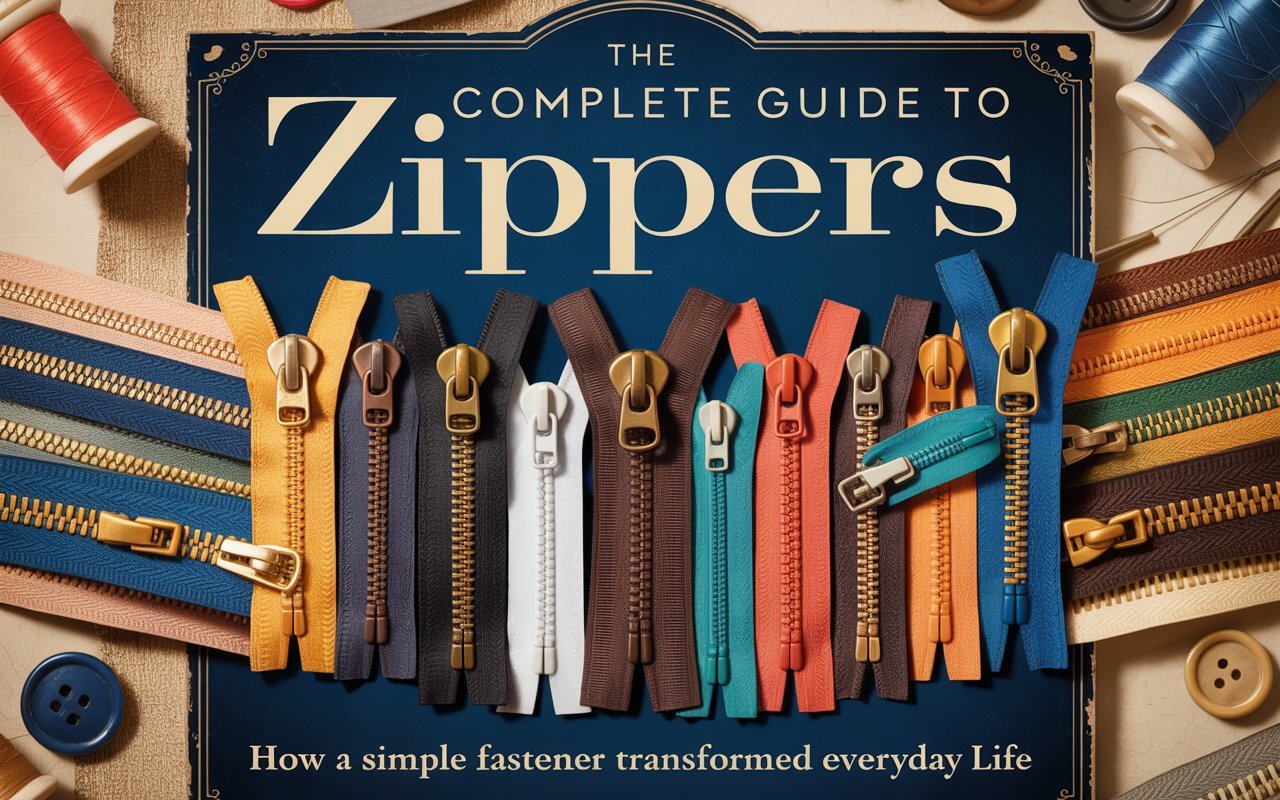
Designers use zippers creatively for:
-
Decoration
-
Style statements
-
Structural details
-
Edgy fashion looks
A zipper can turn a simple outfit into something bold and unique.
Zippers in Outdoor Gear & Heavy-Duty Uses
Zippers used outdoors must withstand:
-
Rain
-
Weight
-
Dirt
-
Temperature changes
Heavy-Duty Zippers Are Common In:
-
Tents
-
Military gear
-
Industrial bags
-
Camping equipment
These zippers are often made with thick plastic or metal teeth.
Sustainable Zippers: The Rise of Eco-Friendly Options
As sustainability becomes important, zipper manufacturers innovate with:
-
Recycled polyester tapes
-
Organic cotton tapes
-
Metal-free dyes
-
Low-impact production processes
Eco-friendly zippers help reduce environmental footprints.
Fun Facts You Never Knew About Zippers
-
The term “zipper” was coined by the B.F. Goodrich Company.
-
On any given day, most of us zip and unzip more times than we even notice, often without a second thought.
-
A zipper can have over 300 individual components.
-
The largest zipper manufacturer in the world is YKK from Japan.
These tiny devices have a surprisingly rich story.
FAQs
1. How do I choose the correct zipper size for my project?
Measure the teeth width and select based on the item—smaller for clothing, larger for bags or jackets.
2. Why does my zipper keep getting stuck?
It typically happens when grime builds up, a piece of fabric slips into the teeth, or the slider starts to wear down. Cleaning and lubrication often help.
3. Can I repair a broken zipper tooth?
Unfortunately, no. Broken teeth require replacing the entire zipper.
4. What is the strongest type of zipper?
Metal zippers—especially brass—are considered the strongest and most durable.
5. How do I maintain a zipper to extend its lifespan?
Keep it clean, avoid forcing it, and apply occasional lubrication like wax or graphite.
Conclusion
The zipper may seem insignificant, but it plays an essential role in our daily lives. From clothing and accessories to outdoor gear and industrial applications, its impact is everywhere. By understanding how it works, choosing the right type, and taking proper care of it, you can appreciate the brilliance behind this everyday fastener. Next time you zip your jacket, take a moment to admire the small yet mighty invention that keeps everything together—literally.