
Introduction
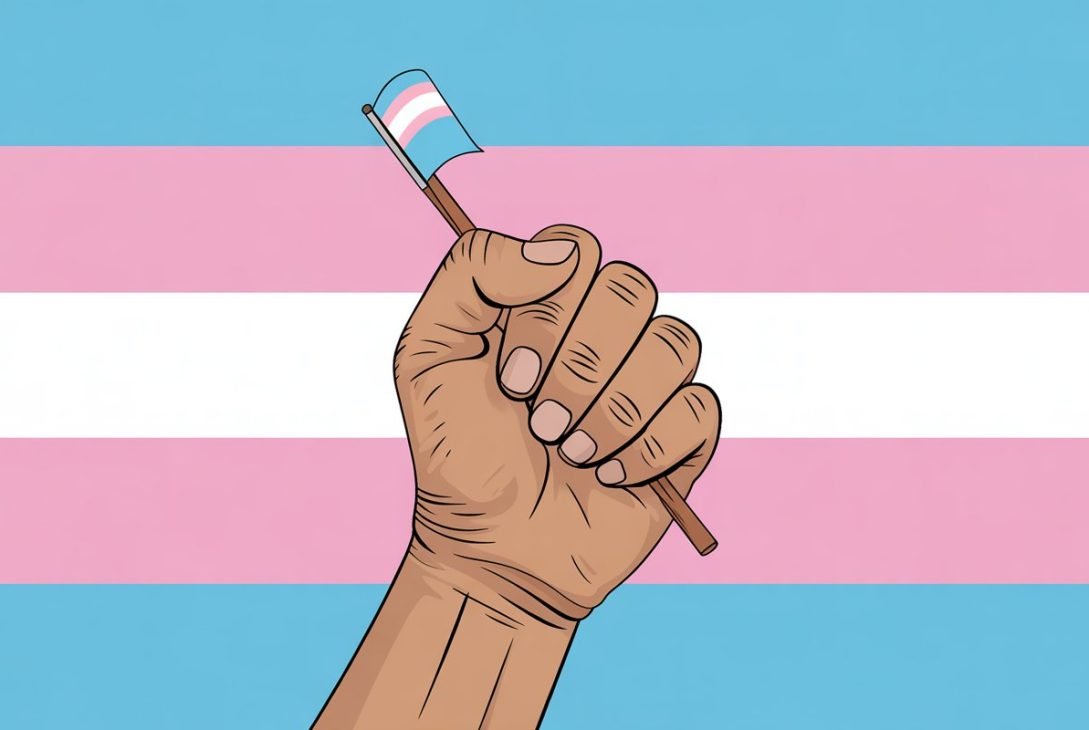
The trans flag has grown into one of the most powerful modern symbols of identity, pride, and human dignity. While it may look simple at first glance, it carries deep meaning for millions worldwide. Understanding its origins, symbolism, and influence helps us appreciate why this flag matters—not only to transgender people but to anyone who believes in equality. In this guide, we’ll explore the full story behind the flag in a clear and relatable way, using everyday language and a conversational tone to make the topic easy to follow for all readers.
The Birth of the Trans Flag
The Creator Behind the Design
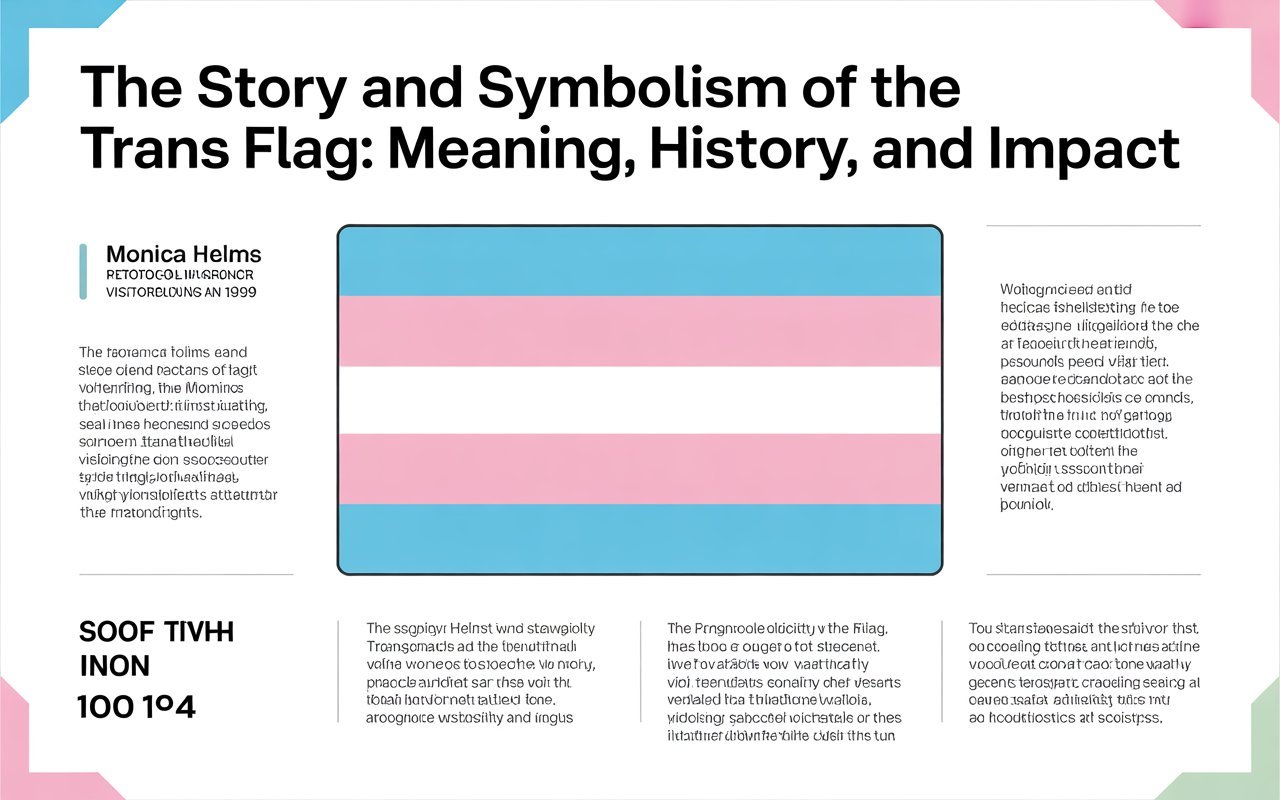
The trans flag was created in 1999 by transgender woman and Navy veteran Monica Helms. Her intention was simple yet profound: create a symbol that represented the trans community with clarity and dignity. At a time when visible transgender representation was extremely limited, this bold move set the foundation for a global emblem.
The First Public Appearance
The flag made its first official appearance in 2000 during a Pride parade in Phoenix, Arizona. While it wasn’t immediately recognized worldwide, that early moment marked the beginning of its journey.
The Symbolism Behind the Colors
Light Blue
Light blue has long been associated with baby boys. In the flag, it represents individuals who identify as male or who transition to male.
Light Pink
Light pink reflects the traditional color linked to baby girls. Here, it symbolizes identity, transition, and those who relate to femininity.
White Stripe in the Center
The white stripe stands for those who identify outside the gender binary—nonbinary, gender-fluid, agender, or those exploring their identity. It acts as a bridge between the other colors, showing that the spectrum of gender is wide and inclusive.
A Design That Always “Looks Right”
According to Monica Helms, no matter which way you fly the flag, it is always correct. This represents the idea that there is no wrong way to be transgender—every journey is valid.
Why the Trans Flag Was Needed
trans flag
A Lack of Representation
In the 1990s, LGBTQ+ symbols mostly centered on sexuality, not gender identity. The trans community lacked a dedicated symbol that reflected its unique struggles and triumphs.
A Way to Be Seen
Having a visual identity helps groups feel acknowledged. Think of it like planting a flag on a mountain—it tells the world, “We are here, and we belong.”
Uniting a Diverse Community
Gender identity is deeply personal, but the flag offers a collective sign of solidarity that crosses boundaries of age, culture, and background.
Early Reactions and Adoption
Slow but Steady Recognition
Like many cultural symbols, the trans flag didn’t go viral overnight. Early recognition came from grassroots movements, small Pride events, and online communities.
Growing Awareness
As conversations around gender identity grew—especially through social media—the flag found its way into protests, conferences, and public policy discussions.
The Flag’s Role in Modern Activism
Marches and Protests
The trans flag is now a staple at marches worldwide. It often appears alongside signs calling for equality, healthcare access, and legal rights.
A Peaceful Symbol
The soft, calm colors make the flag stand out in activism spaces. It visually communicates the desire for dignity, respect, and safety.
A Beacon of Hope
For many young transgender people, seeing the flag in schools, community centers, or online can feel like seeing a lighthouse in a storm—reassuring and guiding.
Cultural Representation and Visibility
In Media and Pop Culture
From documentaries to TV shows and art installations, the trans flag is now woven into modern storytelling. It serves as a visual shorthand for authenticity and acceptance.
Public Institutions Embrace It
Many city halls, universities, and organizations now display the flag during awareness weeks or special events—something unimaginable just a few decades ago.
The Trans Flag in Digital Spaces
trans flag
The Rise of Emojis and Digital Art
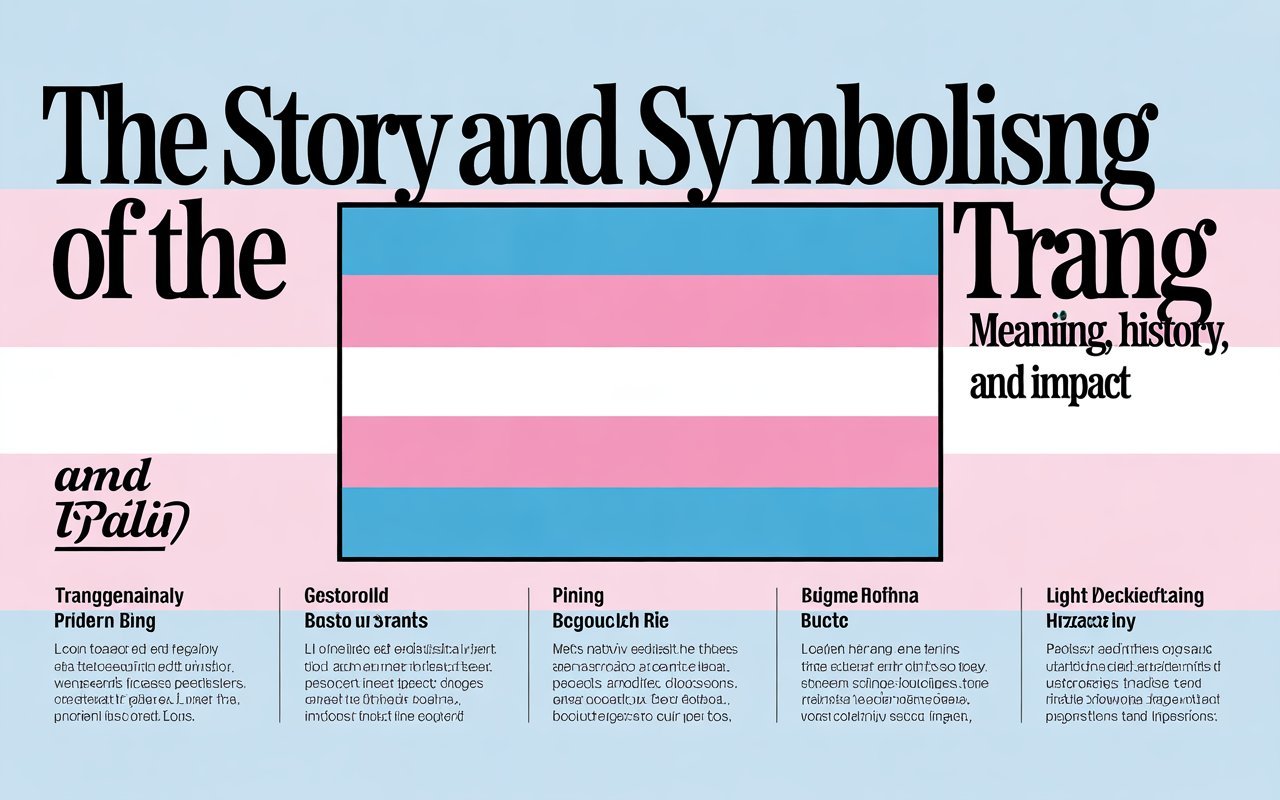
With the growing use of identity flags online, the trans flag emoji became a key part of digital expression. It shows up in bios, posts, and awareness campaigns.
Online Communities
For millions of people, especially youth exploring their identity, the internet is often the first place they feel safe expressing themselves. The flag’s presence online helps create supportive environments.
Variations and Related Designs
Progress Pride Flag
A popular variation that incorporates the trans flag colors into a larger design, emphasizing inclusion within the broader LGBTQ+ community.
Intersex-Inclusive Versions
Some flags combine the trans colors with symbols representing intersex identity—highlighting that gender diversity exists beyond traditional definitions.
Community-Specific Creations
Artists often reimagine the flag in murals, fashion, and digital art, keeping its spirit alive while exploring creative expression.
Common Misconceptions
Misconception 1: The Flag Excludes People
In reality, the central white stripe represents those who don’t fit neatly into traditional gender categories.
Misconception 2: The Colors Represent Stereotypes
While the colors connect to traditional baby colors, the intention is symbolic, not restrictive.
Misconception 3: It’s Only for Transgender People
Many allies proudly display the flag as a sign of support and solidarity.
The Flag’s Global Impact
Around the World
The trans flag is recognized on nearly every continent, appearing in Pride events from Europe to South America, Asia, and beyond.
Policy Influence
Its visibility has contributed to discussions on legal rights, healthcare reforms, and anti-discrimination protections.
International Solidarity
A common symbol bridges cultural gaps and creates a sense of global community.
How the Flag Is Used Today
trans flag
Public Displays
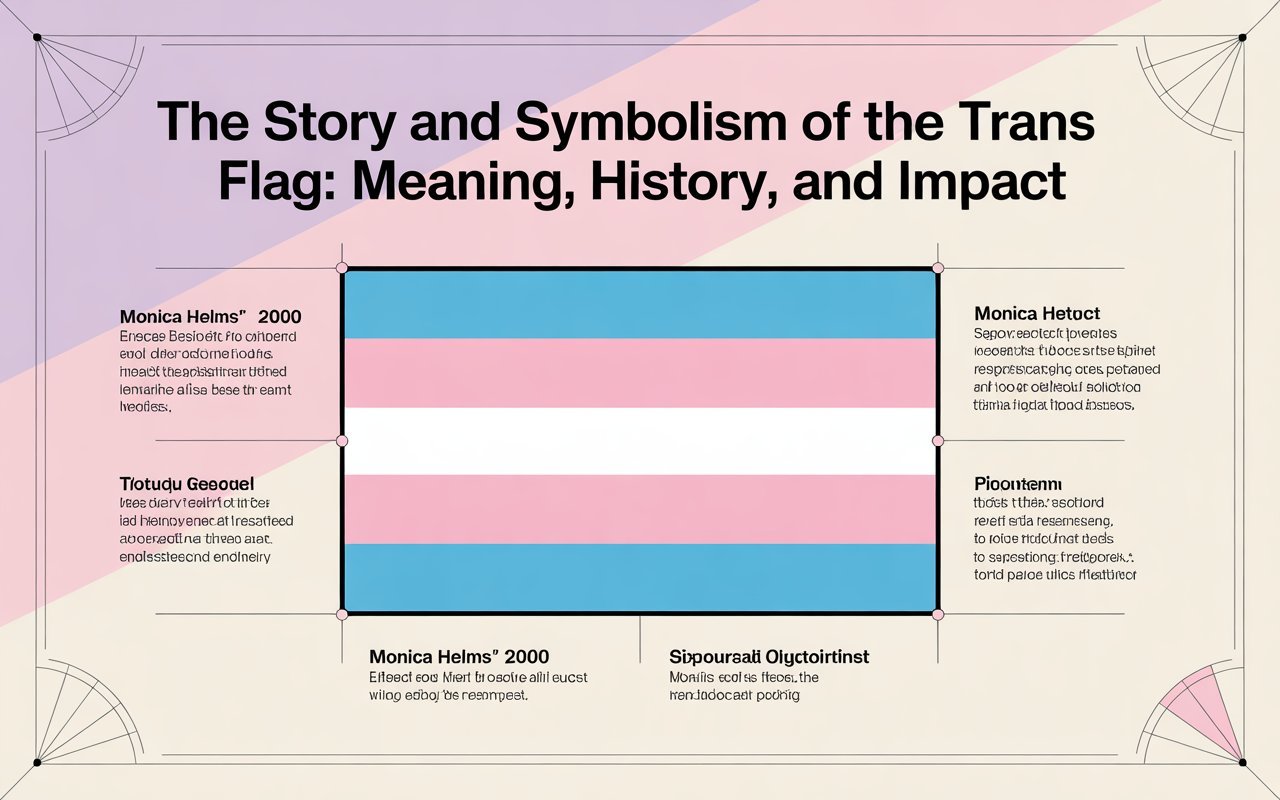
Schools, hospitals, and government buildings often raise the flag during Transgender Day of Visibility or Pride Month.
Fashion and Products
From pins and stickers to shirts and accessories, many people use the flag to express identity or support.
Artistic Expression
Street artists, muralists, and creators frequently use the flag’s palette to highlight themes of identity and courage.
Why the Trans Flag Still Matters
A Symbol of Acceptance
For many, the flag stands as a reminder that identity is real, valid, and worthy of respect.
A Tool for Education
Conversations often begin with a simple question: “What does that flag mean?” This opens the door to broader understanding.
A Continuing Journey
While progress has been made, challenges remain. The flag represents both hope and the ongoing push for equality.
FAQs
1. Who created the trans flag and why?
Monica Helms designed the flag in 1999 to give the transgender community a symbol that represented identity, pride, and inclusion.
2. What do the colors of the trans flag mean?
Light blue represents masculinity, light pink symbolizes femininity, and the white stripe stands for nonbinary or transitioning identities.
3. When was the trans flag first used publicly?
It made its debut in 2000 at a Pride parade in Phoenix, Arizona.
4. Is the trans flag used only by transgender people?
No. Many allies display the flag to show solidarity, respect, and support.
5. Are there different versions of the trans flag?
Yes. Variations like the Progress Pride Flag and intersex-inclusive versions incorporate the original colors with additional elements to expand representation.
Conclusion
The trans flag is far more than a piece of fabric—it’s a symbol of identity, courage, and visibility. Its colors tell the story of a diverse and resilient community that continues to carve out space in the world. Whether you’re part of the trans community or an ally, understanding the flag helps build empathy, awareness, and unity. Just as a lighthouse guides ships through rough seas, the trans flag serves as a guide for those navigating their journey toward authenticity and acceptance.