

Have you ever seen a small dog with a remarkably long body and short legs and thought: “What is that little sausage-shaped pup?” That is the charming breed commonly known in Spanish as the perro salchicha, or in English the Dachshund. In this article, we’ll take you on a friendly and detailed journey through everything you might want to know about this endearing dog — from history and personality to living with one and caring for it properly.
What is the “perro salchicha”?
This breed might look like a fun cartoon character come to life, but behind that comical body lies centuries of purposeful breeding and a real canine personality. If you’re thinking of welcoming one into your home, it’s worth learning what makes them tick.
Origin and history of the dachshund
Originally, the breed was developed over 300 years ago to examine burrows and flush out badgers, foxes and other quarry. With its long body and short, stout legs, the dachshund was well-suited to enter tunnels and fight or chase subterranean animals.
Over time, the breed transitioned from purely working dog to found a special place in homes around the world as a companion breed — but with that working past still influencing many aspects of its nature today.
Physical appearance and varieties
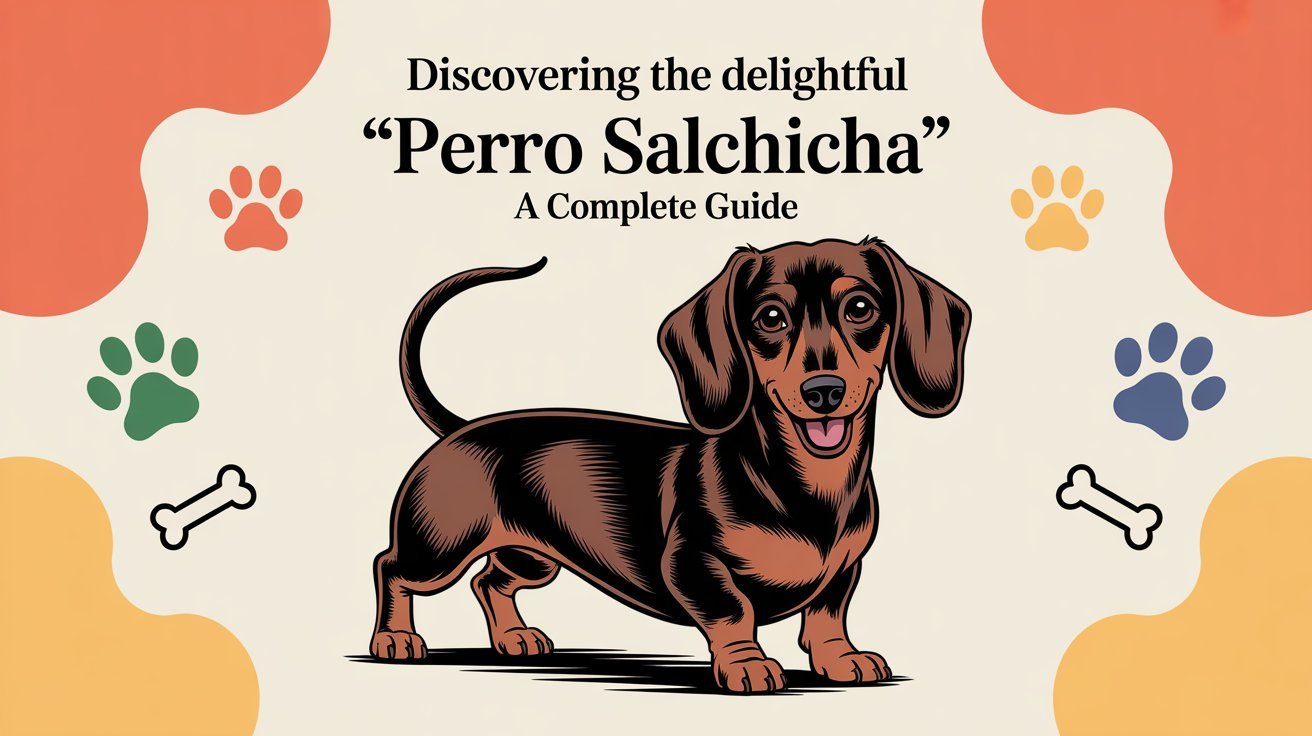
Perro Salchicha
One cannot miss the unmistakable silhouette: long torso, short legs, and expressive face. This shape helped the breed perform its original role underground.
Sizes
Dachshunds come in different sizes:
-
Standard size — larger build for tougher game.
-
Miniature size — smaller and built for smaller prey or more domestic life.
Coats and colours
There are three main coat types:
-
Smooth/short hair – sleek and easy to maintain.
-
Long hair – the coat is longer around ears, chest and tail.
-
Wire/hard hair – rougher texture, a different look.
Colour-wise, you’ll find many shades: red, black & tan, chocolate, cream, dappled patterns, etc.
The combination of size, coat type and colour make each dog unique. Think of it like choosing the body style, paint job and trim of a car – all the same model, different flavour.
Personality and temperament
-
They’re bold, independent and sometimes stubborn.
-
Despite the small size, they often act like dogs many times their size — ready to alert, ready to defend.
-
They also tend to be loyal and affectionate, forming strong bonds with their families.
One owner on Reddit summarised it well:
“Dachshunds are incredibly loving and loyal companions, yet they can be surprisingly stubborn when they want their own way…”
In short: you’ll get lots of love, but you might also get lots of “I do it my way” moments. Understanding the breed’s mindset helps you enjoy that love and manage the will-ful side.
Living conditions: Home, space and environment
The dachshund can adapt to many types of homes — apartments, houses, families, singles — but there are some caveats. Because of their build and nature:
-
They don’t require massive yards, but they do need safe spaces (big leaps or stairs can be risky for their backs).
-
They enjoy being part of the family; they hate being left alone for long periods.
-
They may bark to alert or out of boredom; so living in close quarters with sensitive neighbours may need training to keep things peaceful.
If you treat your dachshund like a member of the family (and not just a decoration), they’ll thrive in small or large spaces alike.
Exercise, play and mental stimulation

Perro Salchicha
Here are some practical tips:
-
Daily walks: Short to moderate, keeping in mind the back and joints.
-
Safe play: No high jumps or steep descents when possible — remember their spinal vulnerability.
-
Mental games: Puzzle toys, scent trails, hide-and-seek games — tapping into their hunting roots.
-
Social time: Interaction with people or other dogs helps alleviate boredom or destructive behaviour.
Treat your dachshund like a little explorer in a sausage body: give them tasks and games, and they’ll flourish.
Health concerns and common issues
-
Spinal problems / intervertebral disc disease (IVDD): Their long backs and short legs make them more prone to back issues.
-
Obesity: Extra weight puts extra strain on the spine and joints. Balanced diet + controlled portions = very important.
-
Ear infections: Because of their droopy ears, there may be a higher risk of ear issues if not cleaned regularly.
-
General health and lifespan: With proper care, the breed often lives 12 to 16 years or more.
In simple terms: treat your dachshund’s body with respect, watch the weight, avoid risky leaps, and you’ll help them live a happy long life.
Feeding and nutrition needs
-
Choose a high-quality dog food suited for small breeds or breeds prone to back/joint issues.
-
Watch portion sizes: With short legs and long body, excess weight is a major risk.
-
Treats: Good for training, but moderation is key.
-
Early life: Puppies have slightly different needs (growth, brain/vision development) so pick a puppy formula when young.
Feeding is like maintaining a precise instrument: get the balance right and the instrument (your dog) plays beautifully.
Training and socialisation tips
-
Start early: Socialise when young with people, places and other animals.
-
Positive reinforcement works best: Treats, praise, love. Avoid punishment-based methods.
-
Be consistent: Regular sessions, clear boundaries, routine.
-
Reverse the small-dog problem: Don’t let their size fool you into lax training. They’ll feel big in attitude if not guided.
-
Reddit owners point out how “loving but stubborn” they can be.
In short: think of the training process as building a partnership with a smart, somewhat self-willed friend — not a simple “sit/down” machine.
Choosing and adopting your dachshund
Perro Salchicha
-
Reputable breeder or shelter: Ask about health checks, lineage, temperament of parents.
-
Size, coat and colour: Choose what fits your lifestyle (e.g., long-haired needs more grooming).
-
Health screening: Ensure checks for back/spine issues and general health.
-
Lifestyle match: Do you have time for walks, training, play? Are you expecting a dog that’s always calm? Then perhaps reconsider.
-
Rescue option: Many dachshunds are in shelters and need loving homes.
Remember: adopting a dachshund is like committing to a long-term friendship. Choose wisely, and the reward is a joyful companion.
Fun facts and culture around the breed
-
Despite their length, they are still excellent in tracking and scenting roles thanks to historic traits.
-
Their unique shape has made them stars on social media, in memes and in pop culture.
-
They have a surprisingly large fan-base, and events devoted to them (in Europe especially) show how beloved they are.
These fun facts make the breed stand out — their form, their past, their place in homes and hearts.
FAQs
Perro Salchicha
1. Are dachshunds good family dogs?
Yes — they can be excellent family dogs thanks to their loyal, affectionate nature. However, because of their build, they might not always tolerate rough play by very young children, and training/socialisation are important.
2. How often should a dachshund be exercised?
Moderately. Daily walks and play are important, but you should avoid high impact activities like excessive jumping or stairs. Their back needs protection.
3. What is the expected lifespan of a dachshund?
With good care, many live between 12 and 16 years, sometimes even longer. Health, diet, exercise and genetics all play a part.
4. Do dachshunds bark a lot?
They can bark more than some breeds, especially if bored, untrained or alert to something. Early training and socialisation help manage excessive barking.
5. What is the biggest health risk for a dachshund?
One of the biggest risks is spinal/back problems (such as intervertebral disc disease) due to their long body and short legs. Managing weight, avoiding leaps, and regular vet checks help reduce risk.
Conclusion
Bringing it all together: the “perro salchicha” is more than just a cute, elongated dog with short legs. It’s a breed with history, character and quirks. If you’re ready for a loyal, lively companion who will challenge you as much as charm you — the dachshund may just be the perfect match. As with any pet, it’s about understanding the needs — body, mind and soul — and committing to meeting them. Do that, and you’ll have a friend for years who will walk (or waddle) beside you, full of heart and spirit.